

![How to Earn $5.8K/Month Building AI-Powered Personal Finance Coaching Chatbots [Step-by-Step Guide]](https://techsaaz.com/wp-content/uploads/Whisk_15890d569d.jpg.webp "How to Earn $5.8K/Month Building AI-Powered Personal Finance Coaching Chatbots [Step-by-Step Guide]")
AI-powered personal finance coaching chatbots are changing the way people manage their money. These chatbots offer personalized advice 24/7, making financial coaching more accessible. With growing interest in tech-driven finance solutions, there’s a clear chance to build and monetize your own chatbot service.
Earning $5.8K a month is achievable once you understand how to create, train, and market these chatbots effectively. This guide will walk you through each step, from starting your project to turning it into a steady income stream. If you want to explore related opportunities in AI and content management, check out this guide on earning with AI newsletter content curation.
Understanding AI-Powered Personal Finance Coaching Chatbots
AI-powered personal finance coaching chatbots have quickly become practical tools for anyone looking to manage money better without always needing a human advisor. These chatbots are built on sophisticated AI technology that lets them have natural conversations and deliver tailored financial advice whenever you need it. Imagine having a financial coach who never sleeps and is available on your phone 24/7—that’s what these chatbots bring to the table.
What is an AI-Powered Personal Finance Coaching Chatbot?
Simply put, these chatbots are computer programs that use artificial intelligence to interact with users and guide them through managing their personal finances. The AI behind them typically involves natural language processing (NLP) and machine learning, which helps the bot understand your questions, analyze your spending habits, and offer personalized recommendations based on your financial data. They work like a friendly financial assistant that learns your behavior over time and helps you make smarter money moves.
Unlike traditional budgeting apps, these bots simulate a back-and-forth conversation. They listen to your financial goals, answer questions about budgeting or saving, and provide insights that you can act on immediately. This capability to interact conversationally makes financial coaching feel more accessible and less overwhelming.
Key Features and Capabilities
AI-powered finance chatbots pack in several useful features that help users take control of their money every day. Some of the most effective capabilities include:
- Real-time Budgeting Help: The chatbot monitors your spending live and alerts you if you’re nearing your limits.
- Expense Tracking: It categorizes expenses automatically, so you get a clear picture of where your money goes.
- Goal Setting: You can set short-term and long-term financial goals, and the bot provides customized plans to reach them.
- Reminders and Alerts: Get notifications for bill due dates, unusual spending, or when you’re close to overspending.
- Risk Assessment: Some bots analyze your financial behavior and risk tolerance, offering advice on how to balance spending and saving.
- Personalized Tips: Based on your profile, the bot suggests actions like paying down debt faster or investing wisely.
These features turn complicated financial management into a simple, ongoing chat with your personal money coach. This continuous interaction keeps users engaged and motivated to reach their goals.
Benefits for Users and Developers
For users, the biggest advantage is constant accessibility—you can get financial guidance anytime without waiting for an appointment. AI chatbots remove barriers like expensive coaching fees or confusing finance jargon, making money management easier for everyone. Plus, they help build better financial habits by offering immediate feedback and reminders, which many people need to stay on track.
Developers, on the other hand, benefit from a scalable business model. Once you build a solid chatbot, you can monetize it through subscriptions, partnerships, or freemium models, creating a steady stream of recurring revenue. Plus, updates and improvements can be rolled out efficiently, keeping the chatbot relevant and engaging users over time.
The rise of AI chatbots as financial coaches represents a real opportunity to serve millions of people who want smarter, simpler money management. By understanding these chatbots, you’re laying the groundwork for building your own profitable AI service.
For more detailed insights on how AI chatbots work in personal finance, check this helpful article on using AI chatbots for personal finance management.

Photo by Airam Dato-on
Step-by-Step Guide to Building Your AI Chatbot
Building an AI-powered personal finance coaching chatbot might look complicated at first, but breaking it down into clear steps makes it manageable. From choosing the right technology to designing conversations, linking financial data, and testing thoroughly, each phase sets the foundation for a successful and profitable bot. Let’s walk through the essential steps to get your chatbot up and running.
Choosing the Right AI Technology and Tools
Picking the right tools is the first move. You want AI frameworks, chatbot platforms, and APIs that support financial data and provide smooth, human-like conversations. Here are some popular choices:
- AI Frameworks: TensorFlow, PyTorch, and OpenAI’s GPT models excel at natural language understanding, which is crucial for interpreting user queries about money.
- Chatbot Platforms: Tools like Microsoft Bot Framework, Google Dialogflow, and Rasa offer solid infrastructure to design, host, and manage your bot’s lifecycle.
- Financial APIs: Integrations with Plaid, Yodlee, or Open Banking APIs give your bot access to real-time banking and transaction data, critical for personalized advice.
Each has strengths depending on your programming skills and how hands-on you want to be. For example, using OpenAI’s GPT API simplifies natural-sounding chats, while platforms like Dialogflow help arrange conversation flows visually without heavy coding.
Choosing a stable, well-supported stack saves you headaches later and builds a reliable experience users can trust.
Designing Conversational Flows for Personal Finance
The heart of your chatbot is how it talks with users. Designing clear, logical conversations helps users share their financial goals and challenges easily. Keep these in mind:
- Start with straightforward greetings and questions to understand the user’s situation.
- Use user prompts that guide responses, like “What’s your monthly income?” or “Do you want help budgeting or saving?”
- Plan for errors gracefully. If the bot doesn’t understand, offer options to rephrase or redirect users without frustration.
- Break complex topics into simple steps to avoid overwhelming users with too much info at once.
Good conversational design feels like chatting with a helpful friend, not an info dump. Testing early with real users helps you spot awkward dialogue or confusing instructions.
Integrating Financial Data and APIs
Real-time financial information powers the value of your chatbot. Connect it to data sources that update regularly, such as:
- Banking APIs to fetch transaction history and account balances.
- Budgeting tools to track expenses and categorize spending.
- Market data feeds for investment or loan rate insights.
Using APIs like Plaid or Yodlee, your chatbot can pull this info securely and instantly. This allows personalized tips, such as warning when a budget limit is close or suggesting better investment options based on current market trends.
Secure handling of user data is essential. Follow all compliance rules and encrypt sensitive information to keep your users’ trust.
Testing, Feedback, and Iterations
Launching your bot is just the start. Rigorous testing ensures your chatbot answers correctly under different scenarios:
- Run through all conversational paths to catch bugs or dead ends.
- Test on different devices and network conditions to smooth out performance issues.
- Gather user feedback actively to understand which advice or chats work and where people get stuck or confused.
- Use analytics to track engagement and drop-off points.
Based on real use, keep refining your chatbot. Small tweaks like clearer prompts or faster response times massively improve user satisfaction.
Building an effective personal finance chatbot takes time but focusing on these key steps ensures you create a tool people find genuinely helpful—and one that can bring in consistent revenue.

Photo by Matheus Bertelli
For deeper insights on building financial coaching chatbots, this detailed guide on developing a personal finance coach like Cleo AI is very helpful. Also, exploring how to build an AI-powered financial assistant offers stepwise strategies and technology advice.
Besides, you can expand your knowledge about AI-powered chatbots for personal finance with this article covering key AI chatbot use cases.
Monetization Strategies for Your AI Chatbot
Monetizing your AI-powered personal finance coaching chatbot can take various shapes, depending on the value you deliver and how you connect with your users. Setting up the right revenue streams early on helps you reach the $5.8K/month mark more efficiently. Below, we’ll explore four solid ways to turn your chatbot into a consistent income generator.
Subscription-Based Models
Offering subscription plans is one of the most straightforward ways to monetize your chatbot. You can structure tiered subscription levels that unlock additional features or exclusive content. For instance, a free tier might offer basic budgeting advice, while premium plans give access to personalized investment strategies, in-depth reports, or priority support.
Here’s how to approach this:
- Define clear value differences between tiers to encourage upgrades.
- Include perks like monthly financial webinars, detailed analysis, or access to extra tools.
- Make it easy to upgrade within the chatbot, keeping the process smooth.
- Consider monthly, quarterly, or yearly payment options to fit different budgets.
Many users will pay for ongoing value, especially if your chatbot consistently helps improve their financial health. Such a recurring revenue stream builds stability and predictable income.
Affiliate Marketing and Financial Partnerships
Another effective strategy involves partnering with financial product providers. Your chatbot can suggest relevant products such as credit cards, savings accounts, or investment platforms. When users sign up through your recommendations, you earn affiliate commissions.
To do this well:
- Integrate offers naturally into conversations based on user needs.
- Partner with reputable services like SoFi, Robinhood, or Credit Karma that offer affiliate programs. You can explore the best financial affiliate partnerships for 2025 to find compatible options.
- Use subtle prompts like “Considering a high-yield savings account? I can help you find the best offers.”
- Track conversions and optimize which products resonate most.
Affiliate income works well when your chatbot provides trustworthy advice and guides users to smart financial tools suited for their goals.
Sponsored Content and Advertisements
Sponsored content and targeted ads are viable if you have a sizable user base. Financial companies will pay to have their products or services featured within your chatbot’s dialogue or content streams.
Focus areas include:
- Creating short sponsored messages that feel like helpful tips rather than intrusive ads.
- Offering sponsored webinars, guides, or special reports created in partnership with brands.
- Embedding ads intelligently during natural breaks in conversation.
- Ensure all sponsored content aligns with your chatbot’s mission to help users manage money better, so it doesn’t feel out of place.
Look for advice on sponsored content in finance apps to craft messages that attract advertisers without annoying users.
Freemium Models and Upselling
A freemium model lets users access your chatbot’s core features at no cost but pays for upgrades, add-ons, or advanced tools. This approach brings in users quickly while encouraging them to buy premium options when they see the bot’s value.
Ideas include:
- Free access to simple budget tracking but paid access for debt payoff plans or investment coaching.
- Offering paid one-on-one financial review sessions powered by your chatbot insights.
- Upselling personalized alerts or premium customer support.
- Running periodic promotions to move free users to paid tiers.
This method keeps the barrier to entry low and nudges users along a clear upgrade path based on their growing trust and reliance on your chatbot.

Photo by Tim Witzdam
Monetizing your AI chatbot smartly allows you to serve users better while creating reliable revenue streams. Whether through subscription plans, affiliate deals, sponsored content, or freemium upgrades, the key is to keep your offerings valuable and user-focused.
To expand your learning on monetization tactics for AI chatbots, check out this clear guide on how to make money with AI chatbots, which covers practical strategies across industries. For more insights into financial AI services and monetization trends, this resource on monetizing AI in financial services provides excellent ideas tailored to finance-focused bots.
Marketing and Growing Your Chatbot User Base
To make your AI-powered personal finance coaching chatbot a steady source of income, attracting and keeping users is just as important as building the bot itself. The key is using targeted marketing to reach interested audiences and then applying smart retention techniques to keep them coming back. Here’s how you can grow your user base effectively.
Using Social Media and Content Marketing
Social media is where conversations happen daily, making it a strong channel to promote your chatbot. Focus on creating content that educates your audience about personal finance and how your chatbot can simplify their money management.
- Share bite-sized tips and insights on budgeting, saving, or investing that highlight the chatbot’s value.
- Use platforms like Twitter and LinkedIn for quick financial facts, user testimonials, and chatbot updates.
- Create short explainer videos or demos to show how your bot helps in real life.
- Regularly post engaging stories or polls about money habits to build community and invite interaction.
Being consistent and authentic gains trust over time. Make sure your social content follows compliance and regulatory guidelines for finance marketing. For a detailed look at effective tactics, visit this social media guide for financial services.
SEO and Online Communities
Your chatbot’s landing page is often the first encounter potential users have. Optimizing it for search engines ensures it appears when people are actively looking for finance help.
- Use clear, relevant keywords around personal finance coaching and AI chatbots.
- Write compelling headlines and meta descriptions that communicate your bot’s benefits.
- Structure content with headlines, bullet points, and concise paragraphs for easy reading.
- Improve page speed and mobile experience to keep visitors engaged.
Joining finance-related forums and groups on Reddit, Facebook, or specialized communities can also attract users. Engage genuinely by answering questions and sharing advice rather than just promoting your chatbot. These interactions build credibility and curiosity. For more on landing page SEO, this article on how to rank and convert landing pages is valuable.
Partnerships and Collaborative Promotions
Teaming up with influencers, financial advisors, and fintech companies can significantly expand your chatbot’s reach.
- Identify influencers in the personal finance niche who align with your chatbot’s style and values.
- Collaborate on webinars, social posts, or co-branded content that introduces your bot to their audience.
- Partner with fintech companies that offer complementary services, allowing cross-promotion.
- Financial advisors can recommend your chatbot as a tool for clients to manage daily finances, extending your network.
Such partnerships help tap into established trust networks quickly. Exploring fintech partnership ideas like these can inspire your approach: revenue ideas for fintech/bank collaborations.
User Engagement and Retention Techniques
Attracting users is just step one. Keeping them engaged is how you build loyal customers who can generate recurring revenue.
- Use gamification by adding progress trackers, badges, or milestones that reward financial achievements.
- Send push notifications or reminders about budgeting goals, bill payments, or personalized finance tips.
- Personalize advice based on user data like spending habits or upcoming goals, making conversations feel relevant.
- Encourage users to set challenges or share achievements within social groups your chatbot supports.
These tactics create a habit-forming experience that keeps users coming back and relying on your chatbot. For detailed tips, check out this guide on improving customer engagement with chatbots.
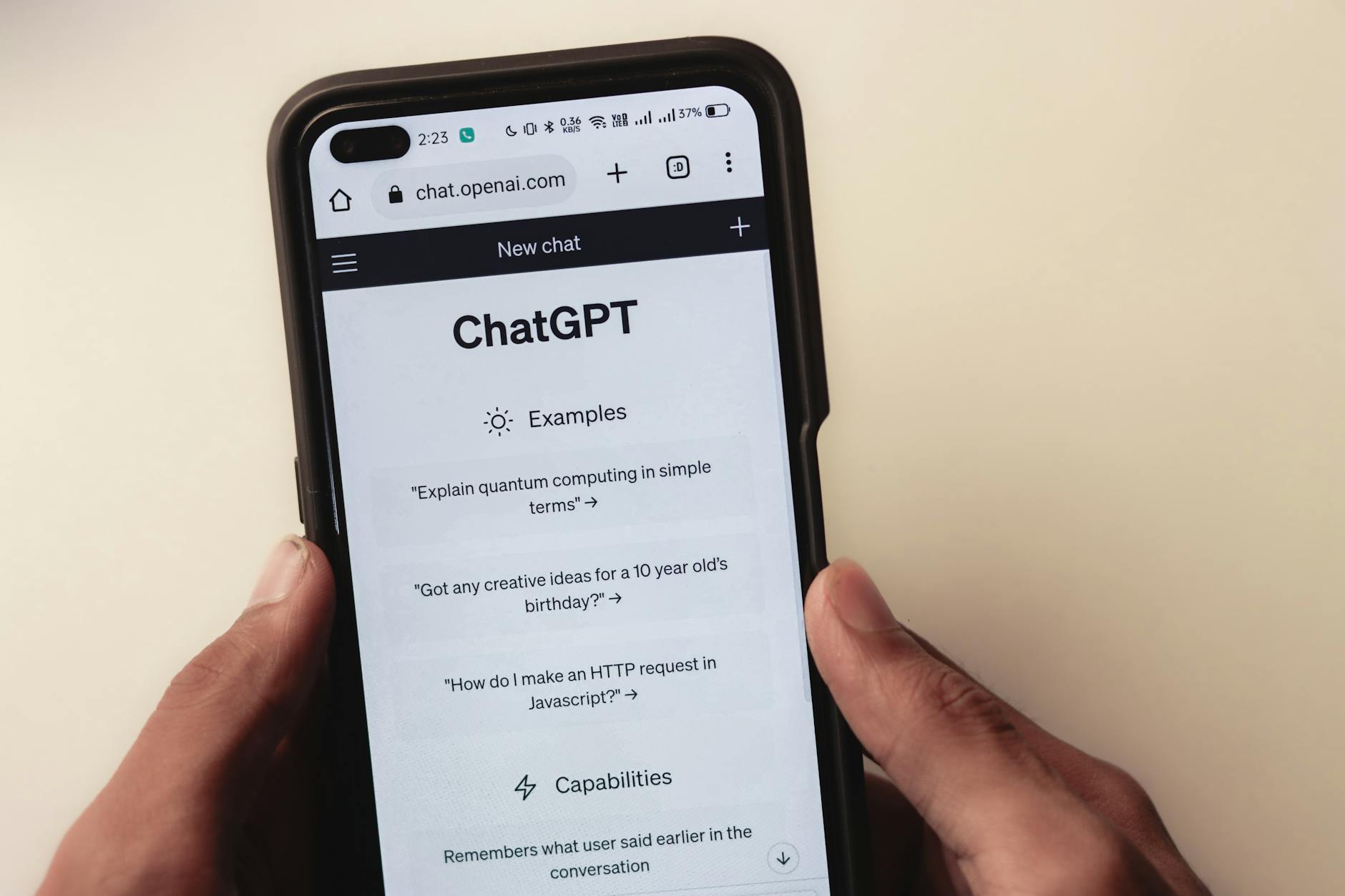
Photo by Sanket Mishra
If you want to learn more about turning your chatbot into a thriving business, exploring internal strategies here from this AI-powered newsletter content curation income guide can complement your marketing approach well.
Successful marketing and growth depend on a mix of organic reach, strategic partnerships, and consistent user engagement. This combination builds a user base that trusts and values your chatbot’s personal finance coaching day after day.
Conclusion
Building an AI-powered personal finance coaching chatbot presents a solid opportunity to generate $5.8K or more monthly income. By understanding the technology, carefully designing your chatbot, and connecting it to relevant financial data, you create a tool people trust and use daily. Monetization through subscriptions, affiliate marketing, and smart promotions turns your work into steady revenue.
Growing your user base with clear marketing and strong engagement keeps your chatbot relevant and profitable over time. Starting now puts you ahead in providing accessible, personalized financial help that users value.
Take the first step to build your chatbot and tap into this growing market. Combining technical know-how with smart marketing will pay off in regular income and satisfied users. For a related perspective on earning with AI content, you might find this guide on managing AI-generated newsletter content helpful to explore.