

Podcasts are everywhere, and their numbers keep climbing each year. As more shows launch, creators need help making their audio as polished and searchable as possible. AI-powered transcription tools make editing faster and more accurate, but there’s still a big demand for real people to review, perfect and customize transcripts for different audiences.
That’s where I see real income potential. By offering AI-enhanced audio transcription editing, I can fill a vital gap for busy podcasters who want clarity and quality in every episode. With the right process, it’s realistic to earn $4,200 or more per month, working either freelance or with agencies focused on podcast production.
This service gives creators what they’re looking for—quick turnaround, better accuracy and polished content ready for publishing or repurposing. It’s a flexible way to work with exciting voices while building a steady income stream.
Understanding AI-Enhanced Audio Transcription Editing
Podcasting has exploded, and there’s a growing push for fast, reliable, and affordable transcripts. AI-powered transcription tools are reshaping how podcasters tackle this task. These platforms do more than just convert sound to text—they supercharge the whole editing process with features that save time and boost accuracy. Let’s break down how AI-enhanced audio transcription editing works, why it’s a game-changer over manual methods, and what platforms and features are worth knowing.
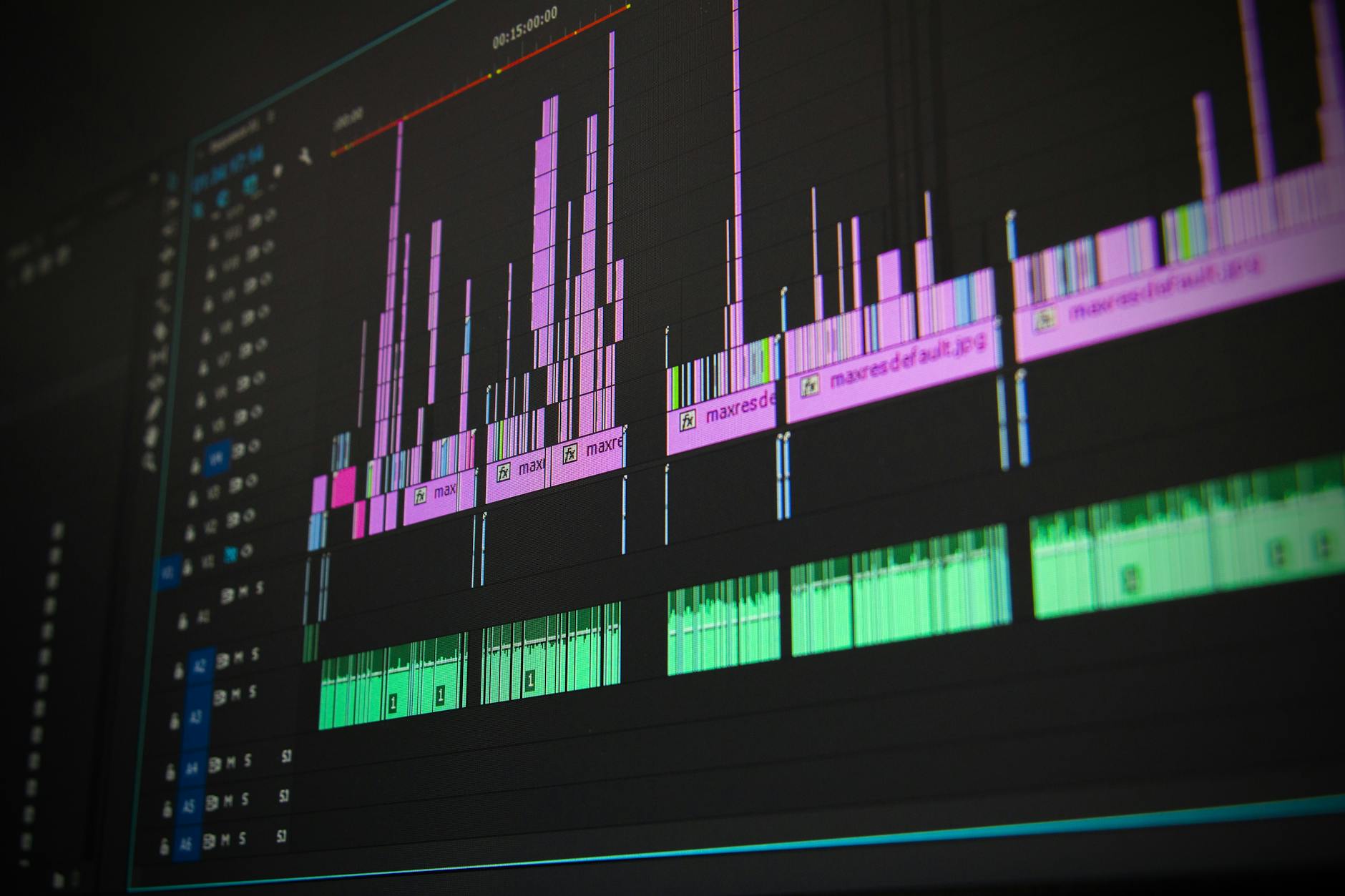
Photo by Pixabay
How AI Tools Are Transforming Podcast Transcription
AI tools pull from massive datasets and smart algorithms. Instead of typing every word by hand, these tools use speech recognition to automatically listen and produce a draft transcript in minutes. The process is not only quicker, it’s also more scalable when you have dozens of episodes or interviews to process.
Key ways AI is improving transcription:
- Speed: AI handles bulk audio files in a fraction of the time.
- Consistency: Reduces “human error” from fatigue or inattention.
- Multilingual support: Transcribe podcasts in languages you don’t speak.
- Smart features: Some tools recognize different speakers and add timestamps as they transcribe.
This means podcasters (or editors) can start with a solid draft transcript and spend their time refining—not rewriting—the content. If you’re curious about the full range of tools on the market, check out the best transcription software for 2025 for a comprehensive look at popular options.
Why AI Beats Manual Transcription
Manual transcription involves listening, pausing, and typing everything out. It’s slow and, let’s face it, kind of mind-numbing for longer recordings. AI tools boost efficiency and accuracy, which is why they’re gaining traction for both solo editors and busy agencies.
Some direct advantages of AI over manual transcription include:
- Less time per project: Turn hours of audio into text quickly.
- Better accuracy out of the box: AI steadily learns and adapts, especially with clear audio.
- Lower overall costs: Less labor means more profit or savings.
Still, AI isn’t perfect. It can mishear or misinterpret tricky accents, technical language, or crosstalk. That’s where human editing comes in—reviewing, correcting and tailoring the final transcript for the podcast’s unique voice and audience. For a deeper dive into how this tech improves efficiency and accuracy, visit how AI transcription is enhancing your efficiency and accuracy.
What “Editing” Means in AI-Powered Transcription
Editing in this context is more than spellcheck. It’s the art of taking the AI’s draft and making it publication-ready:
- Correct typos and fill in missed words
- Format for readability and style (paragraph breaks, speaker labels, timestamps)
- Clarify jargon or inaudible moments
- Summarize, rephrase, or restructure where needed for SEO or show notes
Think of AI like a sous-chef that preps the ingredients—you, as the editor, are plating and seasoning the finished dish. Your fine-tuning ensures transcripts are clean, accessible, and ready for podcast listeners who want to search, skim, or quote from the episode.
To see how AI fits into the step-by-step podcast workflow, the article on AI technology’s role in the transcription process lays out where tech leads and where humans shine.
Top AI Transcription Platforms and Features
Several leaders in the space offer a range of must-have features to simplify your work. Here’s what you’ll find in today’s best apps:
- Automatic speaker detection
- Multi-language support
- Cloud syncing and sharing
- Built-in audio/video playback tools
- Security and confidentiality controls for sensitive interviews
Top contenders like Rev, Riverside, and Otter.ai each have unique strengths, making them suitable for different podcast styles and needs. For a helpful rundown of current platforms, check out 10 AI transcription tools to convert speech to text in 2025. You’ll see which ones offer the features that are essential for fast, accurate, and collaborative editing.
With all these tools at my fingertips, AI-powered audio transcription editing has become an open lane for anyone who loves podcasts and precision. If you’re interested in how these skills can turn into real income, see the step-by-step earning model in the guide on how to earn $5–6K/month building AI-powered dynamic pricing models for services.
How to Set Up and Offer Your Podcast Transcription Editing Services
Launching podcast transcription editing as a service takes clear systems, smart tool choices, and a polished approach to working with clients. When you combine AI with your personal editing touch, you offer podcasters what machines can’t—context and clarity. Here’s how I organize my setup for speed, accuracy, and easy growth.
Selecting the Right AI Tools for Podcast Transcription

Photo by Dmitri Koshelev
Start with a high-quality AI transcription platform—the backbone of your workflow. There isn’t a “one-size-fits-all” solution, so I evaluate tools based on:
- Accuracy: Some platforms, like Otter.ai and Rev, handle different accents and background noise better than others. I always test a few samples from real podcasts.
- Ease of use: Look for tools with simple dashboards and clear file management.
- Workflow fit: I want features that fit podcast production—speaker labels, built-in timestamps, quick audio upload, and flexible export formats.
- Collaboration support: Cloud access lets you and clients share files instantly. This is helpful for remote teams and fast feedback cycles.
- Integration options: Tools like Descript or Trint connect with Google Drive or Dropbox, making it easy to pull audio from regular storage spots.
Here’s a quick comparison I stick to:
| Platform | Accuracy | Ease of Use | Podcast Workflow Fit | Cost |
|---|---|---|---|---|
| Otter.ai | High | Very easy | Good (labels, timestamps) | $$$ |
| Rev | Very high | Moderate | Excellent (manual review option) | $$$$ |
| Descript | High | Very easy | Best (editing + audio tools) | $$$ |
| Trint | Medium | Easy | Decent (multilingual support) | $$ |
Some offer free trials, so I recommend trying a few to see what matches your needs. If you want to go deeper, PCMag’s roundup of the best transcription services points out the strengths and weaknesses of the most popular tools for podcasters.
Creating an Efficient Editing Process
The best AI transcript still needs your eyes and style. I break my editing process into clear steps so every client gets a transcript that’s polished, branded, and ready for the world.
Here’s how I streamline my editing workflow:
- Check and clean the draft
Start by skimming through the AI transcript for obvious issues: missing speakers, jumbled text, or strange formatting. - Correct errors and clarify speech
I listen to sections the AI flagged as “inaudible” or “unclear” and fill in names or phrases. Whenever possible, I match the transcript’s tone and word choice to the show’s style. - Insert timestamps
Many podcasters want timestamps for quoting or sharing. I add these at natural segment breaks or major talking points, using the platform’s timestamp tool or manually as needed. - Label speakers and add formatting
Proper speaker labels (Host, Guest) make transcripts easier to read and follow for listeners who skim. I use bold or italics for intros, ad breaks, or key highlights if the publishing platform supports it. - Style for the client’s brand
Each show has its own vibe. I check past episodes (if available) and stick to those editorial guidelines. Sometimes I include a quick summary or bullet-point breakdown so busy clients can grab the main ideas quickly. - Package for delivery
I format the final transcript for the client’s needs—Google Doc, Word, PDF, or even web-ready HTML when requested.
By keeping these steps repeatable and time-boxed, I can edit quickly, scale up when new clients come in, and keep a steady rhythm.
Pricing and Monetization Strategies
How you price and package your service sets you apart in a crowded space. I focus on clear, fair pricing and add-ons that boost my income—without overcomplicating things for the client.
Ways I’ve found effective for pricing:
- Per-minute or per-episode rates: Charge based on audio length (commonly $1–$2 per audio minute for editing), or a flat fee per episode. Shorter shows may work better with a minimum charge.
- Project bundles: Offer “season packages” for clients planning a launch. I’ll include batch pricing for 5, 10, or more episodes, which simplifies billing and locks in repeat work.
- Upsell related services:
- Podcast show notes: Summarize each episode or pull quotes for marketing.
- SEO optimization: Incorporate keywords into the transcript or summary for better visibility.
- Podcast website publishing: Upload and format the transcript on their site or blog feed.
- Retainers for ongoing clients: I reserve a set number of hours per month at a discounted rate for regular clients.
- Invoicing and payment best practices:
- Use tools like FreshBooks or PayPal for professional, trackable invoices.
- Agree on terms before you start (50% up front is common for new clients).
- Spell out revision limits and delivery formats in the contract.
If you want to see how packaging and monetizing bundled AI services plays into long-term income, look at this guide to building AI-powered dynamic pricing models for extra tips.
Having a simple rate card, clear communication, and the flexibility to customize builds trust. Consistent branding and a well-presented portfolio (with permission) make it easy for new clients to know what they’ll get—and why your edits are worth the investment.
Marketing and Growing Your AI-Powered Transcription Business
Reaching $4.2K each month with AI-enhanced podcast transcription editing goes beyond just perfecting transcripts. It’s about making sure podcasters know you exist, trust your skills, and see you as more than “just another vendor.” To succeed, let’s break down practical ways to become a go-to resource in the podcast community and expand what you offer for higher income.
Building Authority and Trust in the Podcast Community

Photo by Solaiman Nishan
Building trust doesn’t happen overnight, but there are proven ways to become a reliable, sought-after editor for podcasts:
- Share Value-Driven Content Regularly:
Create quick tips, before-and-after transcript samples, or audio clips about common mistakes in podcast transcription. Post these on LinkedIn, X (formerly Twitter), and in podcast-focused Facebook groups. Helpful content keeps your name top-of-mind when creators need help. - Collaborate with Podcast Hosts:
Offer a free sample edit to micro-influencers or hosts in your target niche. This partnership can lead to shout-outs or case studies, helping you reach a wider network of podcasters. - Showcase Testimonials and Results:
Ask happy clients for a short testimonial. Put these front and center on your freelance profiles or website. Even three sentences about fast delivery or sharp edits carry major weight. - Get Involved in Podcast Networks and Communities:
Join online forums like Podcasters’ Support Group or Podcast Movement. Answer questions, share helpful resources, and avoid coming across as a hard seller. You can also attend local podcast meetups or virtual events; making friends in the industry often leads to referrals and word-of-mouth growth. - Use Freelance Marketplaces and Social Proof:
Build a strong presence on platforms like Upwork, Fiverr, or Podcast Editors Club. Fill out your profile with real samples and clear pricing. Clients often check reviews before reaching out, so early social proof helps secure new gigs.
You might want to look at what works when building trust with service clients in similar freelance models by reading about how to earn $5–6K/month building AI-powered dynamic pricing models for services.
Expanding Your Services for Increased Revenue
Once you have a solid core transcription service, it’s smart to add options that can boost your average order value and make your business more resilient.
Consider these high-demand add-ons:
- Content Repurposing:
Many podcasts want their content reused as blogs, social clips, or newsletters. Offer to condense transcripts into punchy blog posts, key quotes for social media, or email digests. - Episode Summaries and Show Notes:
Busy hosts need concise summaries for their show notes. You can charge a premium for tight, search-optimized episode summaries, timestamps for highlights, or even suggested titles. - Audio Editing Services:
If you’re comfortable with basic audio tools, offer extras like noise reduction, leveling, or removing filler words. Simple clean-up edits save podcasters time—and they’ll often gladly pay for the convenience. - Transcription for Video Podcasts:
As video podcasts grow, provide transcript and captioning for YouTube uploads or shorts, opening up another revenue stream.
Here’s a quick snapshot of upsell ideas:
- Detailed podcast show notes (with SEO focus)
- Pull-quote graphics for social media
- Cleaned, timestamped transcripts for marketing or accessibility
- Repurposed blog posts from episode content
- Simple audio tweaks or background noise removal
Adding even one of these services can set you apart from editors who offer “just transcripts.” Podcasters love convenience and often want to keep things with one trusted vendor.
For more ideas on building robust, multi-offer packages, explore strategies in the guide to dynamic pricing models for AI-powered service businesses.
Growing your business in this way not only helps you hit those higher monthly earnings but also creates stronger client relationships and more word-of-mouth referrals.
Conclusion
Launching an AI-enhanced audio transcription editing service for podcasts comes down to three key steps: set up a streamlined tool and editing workflow, deliver polished transcripts clients trust, and use smart marketing to stand out. By refining your process and focusing on quality, it’s realistic to aim for $4,200 per month or more.
I’ve shown how using AI tools combined with personalized editing can open the door to steady income and repeat clients. Many of the strategies that work for pricing, packages, and scaling are used by top service providers across different AI-driven fields. If you want even more ideas on growing your offering or setting up dynamic pricing, I recommend looking at the detailed tips in this AI-powered dynamic pricing guide.
Set clear goals, keep your workflow efficient, and stay open to new opportunities. The demand is real and growing. Thanks for reading—if you have thoughts or want to share your experience, I’d love to hear from you in the comments.