

Social media giveaways can boost a brand fast, but there’s a catch. Brands need clear contest rules and legal disclaimers, or they risk customer confusion and legal trouble. The truth is, most small businesses struggle to write these details from scratch and often waste hours on legal templates that still miss key points.
Here’s where AI is making a big impact. With the right AI tools, anyone can quickly draft accurate, detailed contest rules for clients. This new demand means there’s a strong path for earning steady monthly income, especially for professionals who add value by keeping guidelines sharp and up-to-date. If you want to tap into a real business need and grow your income, offering AI-powered contest rule creation is one of the best ways to get started.
Why Social Media Contests Need Clear Rules and Disclaimers
Social media contests attract attention, boost engagement, and reward loyal customers, but running them isn’t as simple as picking winners and posting results. Crystal clear rules and honest disclaimers are your shield against legal messes, customer distrust, and reputation risks. Let’s break down why these components are non-negotiable—especially if you want your contest to build your brand rather than set you back.
Legal Risks and Compliance Challenges
Regulators and users are paying more attention to fairness and transparency online. Vague or missing contest rules can spell big trouble, like complaints, investigations, or even lawsuits. Different countries and states have their own requirements about who can join, what counts as a prize, and how to handle personal data.
- Potential consequences of unclear rules:
- Fines or legal action by authorities
- Forced cancellation of your contest
- Harm to your business license or ability to operate
Writing strong disclaimers also protects you from claims if something goes wrong. Even if your contest is small, the risks are real. Authorities now crack down on giveaways with hidden terms or misleading promotions, especially on social media. If you want to avoid headlines for the wrong reasons, rules and disclaimers are your insurance policy. For more insights on compliance, see Understanding Social Media Contest and Sweepstakes Laws.
Building Trust with Your Audience
When people see a contest with clear, easy-to-read rules, they’re more likely to join in and share. Transparency proves you’re not hiding anything or playing favorites. It makes your brand feel safer and more trustworthy to your followers.
- Clear rules create:
- A level playing field for everyone
- Lower risk of unhappy or confused customers
- An experience people want to share and promote
Brands that skip transparency are playing with fire. One misstep can go viral in a bad way, tearing down months or even years of reputation-building. A well-written set of contest rules is more than legal protection—it’s a chance to show your values and care for your community. To learn about brand trust strategies, check out Brand Reputation Management: How to Build Trust With Your Audience.
Case Studies: Contest Mishaps and Their Consequences
Let’s look at what happens when rules aren’t rock-solid.
- In one case, a company ran a giveaway across several countries but didn’t outline clear eligibility requirements. Winners had to be disqualified after the fact, leading to angry posts and thousands of lost followers.
- Another brand promised a “random” winner but switched things up mid-campaign, drawing legal attention and tarnishing their reputation.
- A popular influencer forgot to add a disclaimer stating that Instagram had no connection with the contest. The giveaway was taken down, and they faced public complaints about fairness.
Problems like these can explode quickly online, costing brands more than just money—they lose trust, customer loyalty, and their good name. For more on what happens when things go wrong, read about the rising tide of litigation against social media firms.
A clear rulebook and simple disclaimers don’t just follow the law—they’re a brand’s best defense in a world where, as you can see, anything can happen with just one unchecked contest post. If you want to learn how to create these documents efficiently using AI, check out this guide: How to Earn $6.5k/Month Offering AI Sustainability Reporting Services for SMEs.
How AI Tools Simplify Contest Rule & Disclaimer Creation
Clear contest rules used to mean hours pouring over templates, legal blogs, or dry government guides. Now, AI tools can whip up custom contest terms, adapt language for different platforms, and keep you on the right side of the law—all at the touch of a button. By automating the research, formatting, and basic legal checking, AI isn’t just saving time, it’s making life easier for anyone offering social media contest services. With the right tools, reliable and on-brand rules are possible even if you’re not a legal expert.
Top AI Tools for Automating Legal Content
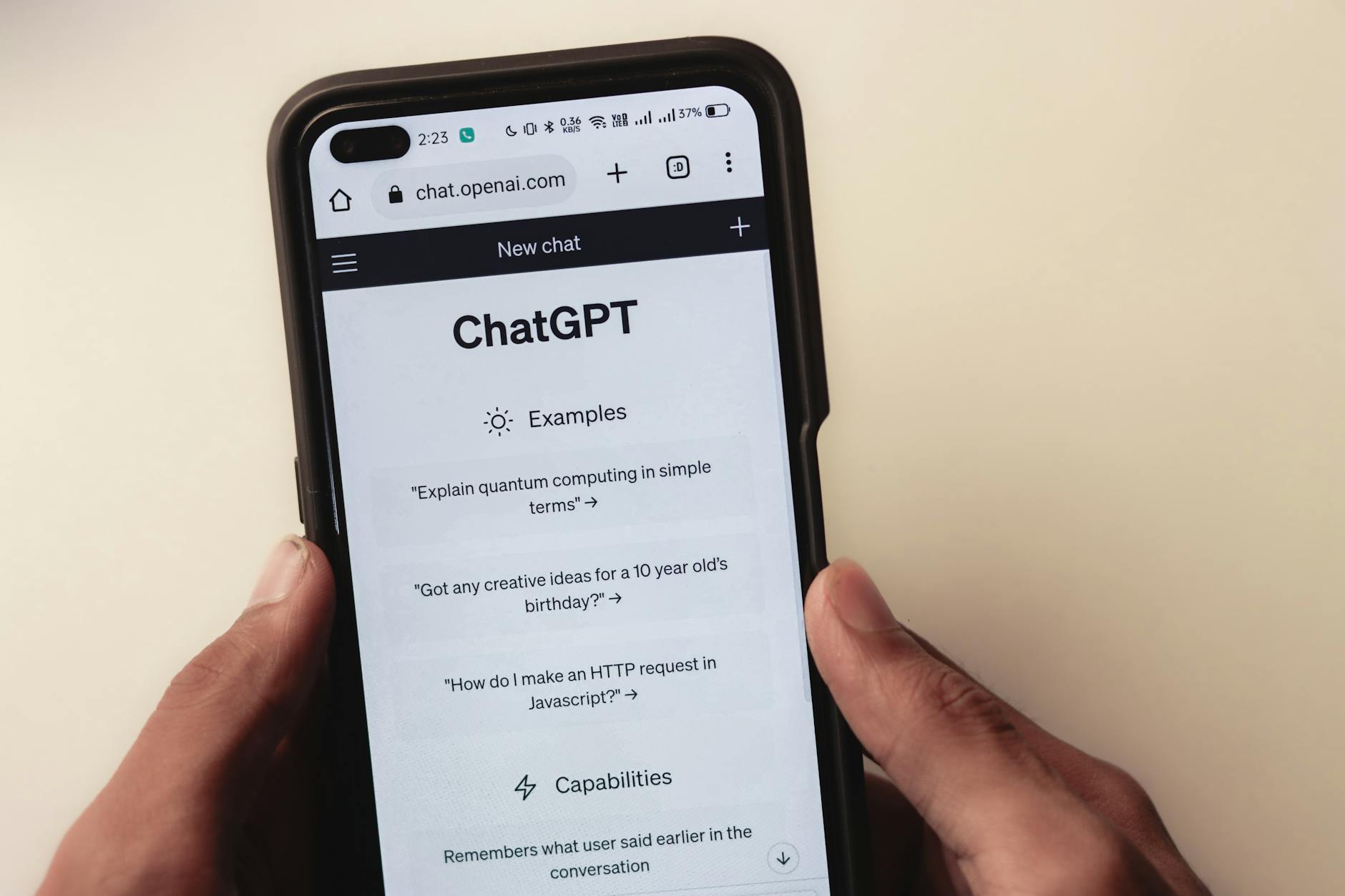
Photo by Sanket Mishra
Several AI-driven platforms now help users create compliant legal content with just a few prompts. You don’t need to draft from scratch or copy-paste old rules each time. The best AI tools streamline the routine so you can spend more time helping brands, not buried in legalese.
Popular AI tools for legal content include:
- ChatGPT and Claude: Great for fast, custom rules based on user input and real contest details. These bots adapt language for different regions or platforms.
- Jasper and Copy.ai: Tailored for marketers, they turn rough contest details into clear, copy-ready rules and disclaimers.
- Legal-specific AI platforms (like Spellbook and CoCounsel): These provide deeper legal features such as contract review, compliance flagging, and ensuring all critical terms are present. Spellbook stands out by handling contract review directly in Word, while CoCounsel integrates advanced legal drafting tools (see the best legal AI tools for law firms).
If you’re after a broader view, platforms reviewed in AI Content for Law Firms: What Works & What Doesn’t can guide you toward the best match for your process.
Step-by-Step Guide to Generating Contest Rules
Generating contest rules with AI is easy if you follow a process. With the right workflow, you get fast drafts that cover the basics and follow current best practices.
Here’s how most people use AI to create contest rules and disclaimers:
- Gather Contest Details
Have all the campaign information ready (prizes, dates, platforms, country restrictions, entry methods). - Select Your AI Tool
Use ChatGPT, Jasper, or a legal-focused tool to start the drafting. - Input Key Facts in Plain Language
Enter the details, including any must-have phrases or special rules. - Choose the Right Template
Many AI tools offer templates for giveaways or sweepstakes. Select one that fits. - Customize and Review
Edit the draft to match your brand’s style and check for any missing points. - Check Formatting and Platform Rules
Adjust the content for Instagram, Facebook, TikTok, or wherever the contest will run. - Run a Basic Compliance Check
Many AI tools highlight missing elements or flag possible risks as you edit.
This step-by-step approach produces share-ready rules in minutes, not hours. For advanced practices on automating these processes, check resources on AI transforming rule configuration in complex environments.
Ensuring Accuracy: Human Review vs. Full Automation
AI can get you 90% of the way to finished contest materials. But is that enough? For most brands, mixing AI speed with a human’s careful eye is the sweet spot.
- Pros of Full Automation:
- Saves time
- Reduces repetitive work
- Lowers costs
- Cons of Skipping Human Review:
- Risk of missing local laws or platform quirks
- Some disclaimers may need specific wording only a human would spot
A real person can catch context, tone, or compliance gaps that AI may miss. Even legal platforms like Spellbook or CoCounsel recommend a final read-through by a consultant before posting (see more about legal document review with AI).
Putting AI and human touch together adds trust and polish—something every contest or disclaimer needs. If you want to expand your skillset or service offerings, consider learning more about earning a steady income with AI-powered business services.
Building Your AI-Generated Social Media Contest Service
Setting up an AI-powered social media contest rule and disclaimer service takes more than just knowing how to use the tools. You need a clear focus, well-defined offers, and an easy way for clients to work with you. With some smart choices and consistent routines, you’ll turn a simple service into a dependable monthly income.
Defining Your Niche and Target Audience
Start by asking yourself: Who needs these services the most? Social media contest rules and disclaimers matter for brands of all sizes, but some markets feel the pain more than others. Focus your effort for better results.
- Small to mid-sized businesses often lack in-house legal help and appreciate fast, affordable services.
- Influencers and agencies run contests often but can’t risk legal slip-ups.
- Nonprofits and community groups want to build buzz but must follow rules carefully for public trust.
The more specific you get about your client, the easier it is to market and tailor your offers. For example, a bakery with lots of local giveaways has different needs than a travel influencer with sponsors.
Consider zoning in on certain platforms, too. Instagram, Facebook, and TikTok all have slightly different contest policies. If you know your way around one or more, highlight that. Take inspiration from guides like the complete guide to social media contests for more industry-specific insights.
Packaging and Pricing Your Services
Think about how clients would buy your service: do they need one-time contest rules, or do they want ongoing support? Package your work so people can see clear value and know exactly what they’re getting.
Common package ideas include:
- Single Contest Rule Set: One-off creation with basic support.
- Monthly Subscription: A set number of contests or revisions per month for agencies or active brands.
- Add-On Compliance Service: Reviewing existing contest rules for legal soundness and making updates.
When it comes to pricing, keep it simple. Research what other service providers are charging, but don’t be afraid to start lower to attract early clients. Consider your time, AI platform costs, and the value this saves businesses. Most AI-driven legal content services quickly pay for themselves by preventing costly mistakes.
For more inspiration (and some proven tools), check out the list of top AI-powered contest tools that offer features you might want to bundle, or to compare your pricing structure.
Client Communication and Workflow
A smooth, clear workflow will keep both you and your clients happy. Lay out each step you’ll take and what you need from your client up front.
A typical client workflow can look like this:
- Intake Form or Briefing Call: Gather contest details (platform, audience, prize, key dates, region).
- Draft Delivery: Use your AI tool to create rule and disclaimer drafts, then send over for review.
- Revision Round: Make changes based on feedback or client questions.
- Final QC: Run a quick compliance check before sending the final version.
Set expectations about timelines early. For example, promise drafts within 24 to 48 hours to build trust without overpromising. Always respond quickly and clearly—people do not like guessing games.
Consider working with free online tools like the AI Social Media Contests Generator to speed up drafts and keep costs down. You can also automate reminders and updates to clients for seamless follow-ups.
Finally, if you want to deepen your knowledge or explore offering related AI business solutions, check out advice on scaling AI-powered services for SMEs at this resource.
 Photo by Shantanu Kumar
Marketing Your Service for Consistent $3.6K/Month Income
Setting up your AI-powered contest rule service is step one. Bringing in clients and keeping income steady is what truly unlocks long-term success. Tapping the right channels, building trust, and working with partners will help you avoid income droughts and client churn, laying a solid foundation for reliable $3.6K/month earnings.
Effective Lead Generation Channels

Photo by Kindel Media
Getting steady leads is as important as nailing the service. Don’t just rely on word-of-mouth; instead, spread your net wide across these high-yield channels:
- LinkedIn Direct Outreach: Connect with marketing leads or business owners at agencies and SMEs. Personalize your first message—reference a recent contest they’ve run, then mention how you help brands avoid contest headaches. Follow up with useful contest insights rather than a hard pitch.
- Freelance Marketplaces: Platforms like Upwork and Fiverr let small businesses test your services with low commitment. Optimize your gig with specific keywords (e.g., “AI social media contest rules”).
- Facebook and Slack Groups: Join communities where social media managers, small business owners, and online marketers gather. Share advice on contest compliance, offer free resources, and engage in Q&As to become the go-to expert.
- Referral or Affiliate Programs: Incentivize past clients or marketers to refer your services with a small payout per new customer.
- Content Marketing: Write short LinkedIn articles, Twitter threads, or infographics showing what goes wrong with sloppy contest rules. Back these up with stats or real stories.
Every new lead is a learning opportunity. Monitor where your strongest clients come from and double-down on those channels.
Proven Client Retention Strategies
Bringing in new clients is just half the battle—keeping them happy makes your income reliable. Here’s how to make clients stick around all year:
- Monthly Check-Ins: Set reminders to follow up with previous clients about upcoming campaigns, rule changes, or legal updates that could impact contests.
- Instant Support: Respond quickly to questions and revision requests. Use tools like Calendly to make it painless for clients to schedule calls.
- Education and Updates: Email clients about new contest platform rules or trending compliance issues. If you hear about a new Instagram policy, send a friendly update with a short recommendation.
- Loyalty Discounts: Offer existing clients discounted rates for quarterly or yearly packages, or bundle in an extra contest review for free.
- Feedback Loops: After every project, ask what went well and what could improve. Use that feedback to refine your process or add new services clients actually want.
The goal: Make each client feel like your most valuable customer. When they know you’re invested in their success, they’ll come back instead of shopping around.
Leveraging Strategic Partnerships
You don’t have to do this alone. Smart partnerships speed your growth and help you access new audiences fast.
- Agency Collaborations: Partner with marketing, PR, or small creative agencies that already run campaigns. Offer white-label contest rules as an add-on to their service retainer.
- Legal Professionals: Network with small business lawyers who don’t want to draft social contest policies themselves. They’ll refer clients looking for affordable, accurate service.
- Influencer Managers: Tap agencies that manage many clients with regular giveaways. Bundle your AI-powered documentation as part of their influencer package.
- Tech Platforms: Some social media tool startups love offering extra perks to paid users. Pitch your services as a value-add for their existing community.
Strategic collaborations not only fill your client funnel, they also let you deliver more value without working harder. As you grow, revisit your workflow structure and consider ideas from other scalable AI service models for growing a stable, repeatable business.
Legal & Ethical Considerations When Using AI for Contest Rules
AI helps you draft contest rules and disclaimers in minutes, but you still need to keep legal and ethical responsibilities front and center. Small errors in contest documentation can snowball into big problems—for you and your clients. Before relying on any AI output, take a step back and factor in each platform’s policies and your professional duty to your clients. Here’s what you need to consider to protect everyone involved.
Understanding Platform-Specific Policies (Facebook, Instagram, TikTok, etc.)

Photo by Pavel Danilyuk
Each social platform sets its own rules for contests and giveaways. If you use AI to churn out legal docs without checking these policies, your clients could end up with posts taken down and even lose ad accounts.
Key points for each platform:
- Facebook asks for a full release of the platform from entrants and a clear statement that Facebook isn’t sponsoring the contest. Entry can’t be based on sharing a timeline or tagging friends by default.
- Instagram requires an obvious disclaimer about Instagram’s involvement and clear rules for how to enter. No automatic tagging, and you’re responsible for lawful operation.
- TikTok sets guidelines to avoid misleading users and bans some types of prizes. TikTok’s contest rules vary by country, so cross-border campaigns need special attention.
Here’s what to do:
- Review the official contest guidelines for Facebook, Instagram, and TikTok before you hit publish.
- Set alerts for updates—these policies can change quickly and catch even big brands off guard.
- When prompt engineering for your AI tool, add platform-required phrases and exclusives.
Ignoring these nuances can wipe out your client’s campaign or trigger account penalties. By staying current on each platform’s guidelines, you’ll keep your service reliable and your client happy.
Protecting Yourself and Your Clients
Using AI to write contest rule sets doesn’t mean you’re off the hook. You have ethical duties and should always add a second layer of review—even for small gigs.
Use checklists and best practices to keep you and your client pointed in the right direction:
- Clarify Your Role
Let clients know that AI-generated content is a draft, not legal advice. If they want that extra insurance, recommend they run the wording by an attorney before launch. - Protect Personal Data
Many contests collect user info. Every contest rule set must mention how data is used and stored, following privacy laws like GDPR or CCPA. This isn’t just best practice—it’s legally required in many countries. Look at GDPR compliance tips for marketers. - Keep Records
Store copies of every draft you send out. This protects you if a client returns with complaints or if you need to prove what was included. - Update as Needed
Don’t treat your rule template as a one-size-fits-all solution. Laws, social norms, and platform policies shift fast. Adjust your drafts every time.
Some clients may lean hard on your work to avoid hiring a lawyer. Be clear about what your service covers so everyone knows where the lines are. And if your client faces a major dispute, stepping aside and pointing them toward a qualified legal pro is the smartest, safest route.
By taking these small steps, you build trust and help clients protect themselves from avoidable headaches. responsible service will earn you repeat business—and your clients’ trust—even as AI keeps making the process smoother.
Conclusion
AI-generated contest rules and disclaimers give you a practical way to earn steady income while helping brands avoid costly mistakes. By offering these services, you not only save businesses headaches but also position yourself as a trusted resource in a growing market. The demand will only increase as social media contests keep gaining ground.
If you’re ready to build a reliable $3.6K/month income stream, start helping brands today. Use smart tools, keep up with platform changes, and always add your personal review—your attention to detail will set you apart. If you want new ways to scale your service or add more value to your offers, check out this guide on expanding your AI-powered business.
Thank you for reading—your time and focus mean a lot. Share your thoughts or stories about contest services, and let’s keep building smarter, easier income streams together.